
Contents
Overview
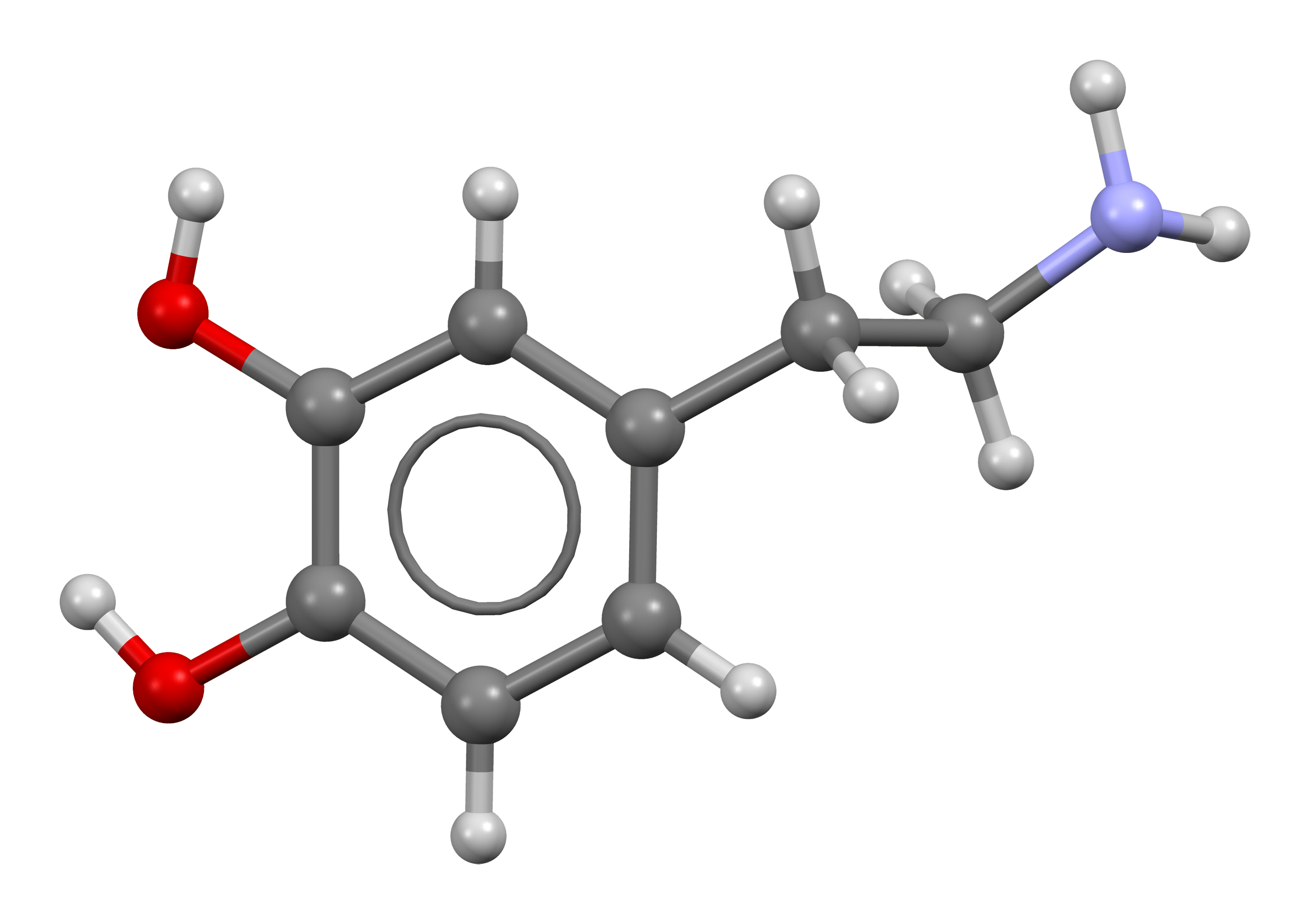
Dopamine is a neuromodulatory molecule that plays a crucial role in cells as a neurotransmitter, hormone, and neuromodulator, influencing motivation, reward, motor control, and various physiological processes. Dopamine's release and reuptake are regulated by various mechanisms, including the dopamine transporter. Dopamine's release is influenced by various factors, including genetics, environment, and lifestyle. Dopamine interacts with other neurotransmitters, such as serotonin and acetylcholine, to regulate mood and motivation. Dopamine's significance extends beyond its role in motivation and reward, with implications for human behavior, physiology, and disease. Dopamine is a complex molecule with a multifaceted role in the body.
📖 Definition & Core Concept
Dopamine is a complex molecule with a multifaceted role in the body, involved in motivation, reward, and pleasure, as well as motor control and hormone regulation. Dopamine's release and reuptake are regulated by various mechanisms, including the dopamine transporter.
🔬 How It Works (Mechanics)
The mechanics of dopamine involve its release from neurons and its binding to dopamine receptors, which can be influenced by various factors, including genetics, environment, and lifestyle.
📊 Key Facts, Numbers & Statistics
Dopamine interacts with other neurotransmitters, such as serotonin and acetylcholine, to regulate mood and motivation. Dopamine's significance extends beyond its role in motivation and reward, with implications for human behavior, physiology, and disease.
🌍 Real-World Examples & Use Cases
Dopamine's role in decision-making and behavioral economics is significant. Dopamine's involvement in stress and anxiety is complex and multifaceted.
📈 History & Evolution
Current research on dopamine focuses on its role in motivation, reward, and addiction, with studies exploring the neural mechanisms underlying dopamine release and reuptake.
⚡ Current State & Latest Developments
Dopamine's significance extends beyond its role in motivation and reward, with implications for our understanding of human behavior, physiology, and disease.
🔮 Why It Matters & Future Outlook
Common misconceptions about dopamine include the idea that it is solely responsible for pleasure and reward, when in fact it plays a more complex role in motivation and regulation.
Key Facts
- Category
- vinyl-siding
- Type
- concept
- Format
- what-is
Frequently Asked Questions
What is dopamine's role in motivation and reward?
Dopamine plays a complex role in motivation and reward, with its release influenced by various factors, including genetics, environment, and lifestyle.
How is dopamine involved in motor control?
Dopamine is involved in motor control, but the specifics of its involvement are not well understood.
What are the implications of dopamine dysregulation?
Dopamine dysregulation has significant implications for human behavior, physiology, and disease, but the specifics of these implications are not well understood.